



December 10, 2025
Many patients search for information about crowns vs bridges, especially when dealing with a damaged or missing tooth. Both restorations improve your smile and protect your oral health, yet they serve different purposes. Because they look similar, it’s easy to get confused about which option is right for your situation. Some patients need help repairing a tooth weakened by decay or fracture, while others are missing a tooth completely and need a replacement that feels natural.
This guide breaks everything down in simple terms so you understand how each restoration works, when dentists recommend them, and what to expect from both.
What Are Dental Crowns and When Are They Needed?
Dental crowns are custom-made caps placed over a damaged or weakened tooth. Their job is to protect the natural tooth structure, restore normal chewing function, and improve appearance. Crowns are crafted from durable materials such as porcelain, zirconia, or porcelain fused to metal, depending on the patient’s needs.
Dentists often recommend crowns when a tooth has large decay, a deep fracture, or significant wear. They are also common after root canal treatment, because a tooth that has undergone this procedure is more fragile and needs added strength. A crown covers the tooth completely, sealing it from future damage while allowing the patient to chew comfortably again.
Crowns can also improve the shape, color, and alignment of teeth, making them both functional and cosmetic solutions.
What Are Dental Bridges and How Do They Work?
Dental bridges replace one or more missing teeth by anchoring an artificial tooth to the natural teeth on either side of the gap. These supporting teeth (called abutments) receive crowns that hold the replacement tooth securely in place. Bridges are designed to look and function like natural teeth, which helps maintain facial structure and normal bite alignment.
Different types of bridges exist. Traditional bridges are the most common and use crowns on both sides. Cantilever bridges connect on only one side and are used in limited cases. Maryland bridges rely on a metal or porcelain framework bonded to the back of nearby teeth. Your dentist selects the type based on the location of the missing tooth and your oral health needs.
Because missing teeth can lead to shifting, bone loss, or bite changes, bridges are an important way to maintain stability in your smile.
Difference Between Crowns and Bridges: A Simple Explanation

Understanding the difference between crowns and bridges is easier when you think about their purpose. A crown restores a single tooth by covering and strengthening it. A bridge replaces one or more missing teeth by attaching a prosthetic tooth to neighboring teeth.
In short: crowns repair, bridges replace.
Some patients approach this decision as Dental Bridges vs. Dental Crowns, but the choice depends on whether the natural tooth still exists. If the tooth is present but damaged, a crown may be enough. If the tooth is missing entirely, a bridge becomes the functional replacement.
Both restorations are fixed in place, blend naturally with your smile, and help protect long-term oral health.
Crowns vs Bridge Cost: What Impacts the Price?
When comparing costs, many people look up crown vs bridge cost to understand what to expect. Several factors influence the final price of either restoration:
- The material used
- Where the tooth is located
- Whether the tooth needs preparation or additional procedures
- The number of teeth involved
- Insurance benefits and coverage limits
- The complexity of the bite or smile design
Crowns usually cost less because they involve one tooth. Bridges often cost more because they include multiple units. A three-unit bridge, for example, requires two supporting crowns plus the replacement tooth. While bridges offer excellent function, the added materials and time often increase the investment.
Crown vs Bridge Durability: Which Lasts Longer?
Another common question is about crown vs bridge durability, and the answer depends on materials, oral habits, and overall dental care. Crowns typically last between ten and fifteen years, though many last longer with good brushing, flossing, and regular cleanings. Bridges can also last a decade or more, but because they function as a multi-tooth unit, they require excellent hygiene around and under the replacement tooth.
Crowns tend to have a longer lifespan because they involve a single tooth without additional structural stress. Bridges distribute bite pressure across several teeth, which can increase wear over time. Still, both restorations offer long-lasting function when patients maintain consistent oral care and routine dental exams.
Which Is the Best Option for Missing Teeth?
When deciding on the best option for missing teeth, it helps to understand whether the natural tooth root is still present. A crown cannot replace a missing tooth because it requires a natural tooth underneath. In these cases, a bridge becomes the more appropriate option since it fills the gap and prevents shifting.
For patients seeking an even more permanent solution, dental implants are also an option. They replace the tooth root and support either a single crown or a bridge. Your dentist may discuss implants if you want a long-term, stable restoration that preserves jawbone health.
When Crowns or Bridges Are Part of Dental Emergency Care
A crown or bridge may be part of treatment during a dental emergency. Situations such as a fractured tooth, a broken restoration, or a sudden loss of a crown may require immediate care to relieve discomfort and protect the tooth. Addressing these issues quickly prevents further damage and restores the ability to chew comfortably.
Sometimes emergencies occur during routine visits. If a patient comes in for same day dental cleanings and reports pain or a broken tooth, a temporary crown or repair may be provided until a permanent solution is ready.
Crowns and bridges play essential roles in stabilizing teeth after trauma or decay, helping patients regain comfort fast.
Missing Tooth Solutions: When a Dentist Recommends Crowns vs Bridges
Many missing tooth solutions exist, but the right choice depends on your oral condition, goals, and budget. This is where a detailed exam becomes important. Dentists evaluate your tooth structure, gum health, bite alignment, and lifestyle habits before recommending a treatment.
At Dentistry at Renton, Dr. Navdeep Virk often guides patients through these decisions with a careful, personalized approach. He reviews each option, explains how crowns vs bridges support long-term health, and helps patients choose a restoration that fits both function and comfort.
Questions to Ask Before Getting a Crown or Bridge
Knowing the right questions to ask can make your decision easier. Here are important topics to discuss during your consultation:
- How long will this restoration last?
- What materials do you recommend for my teeth and bite?
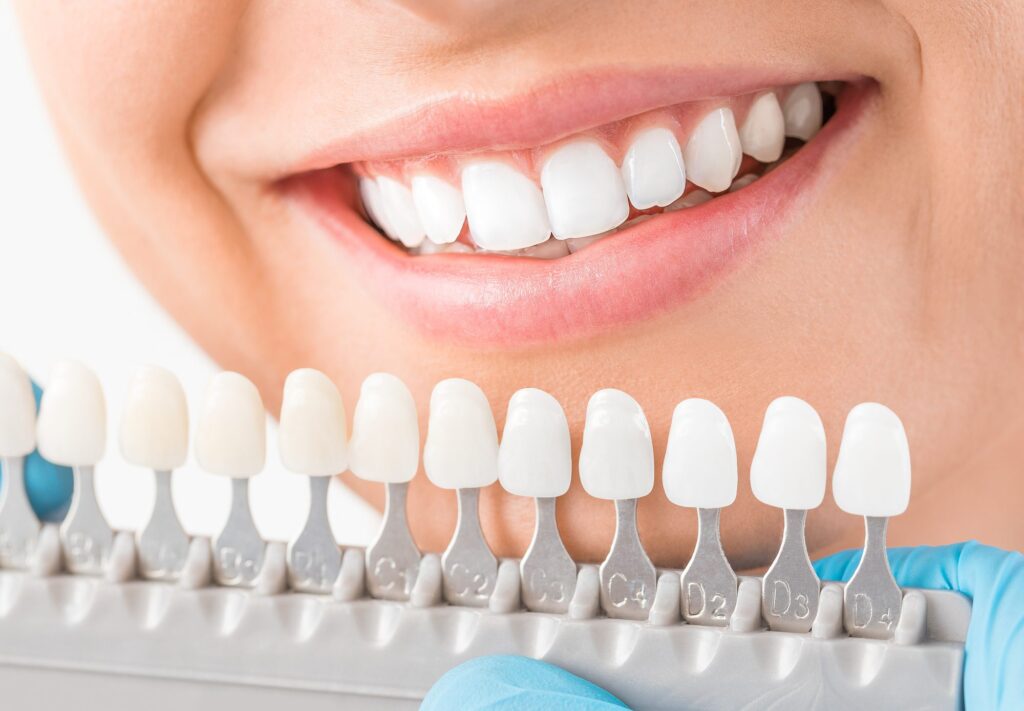
- Will the restoration match my natural tooth color?
- Do I have alternatives such as implants?
- Are there specific care instructions I should follow?
- How many visits will the process take?
- Are there risks I should be aware of?
- Will the restoration affect future dental work?
Asking these questions ensures clarity and helps you feel confident about your treatment plan.
How Do Crowns and Bridges Differ, and Which One Is Better?

Patients often ask, How do crowns and bridges differ, and which one is better? The truth is that no single option is universally better. A crown is better when the tooth can still be saved. A bridge is better when the tooth is completely missing and stability must be restored.
Your dentist in Renton determines the correct choice by examining your tooth structure, gum health, bite needs, and long-term goals.
Because every smile is unique, a careful evaluation is essential before selecting a restoration.
Dental Crowns and Bridges Near Me: Choosing the Right Provider
Searching for dental crowns and bridges near me brings up many options, but choosing the right provider ensures comfortable care and long-lasting results. Look for a dental office that offers modern imaging, high-quality materials, and a team committed to personalized treatment.
Patients at Dentistry at Renton appreciate the experience and gentle approach offered by the team, including the guidance of Dr. Navdeep Virk, who provides thoughtful recommendations based on each patient’s needs. Working with a skilled provider ensures your crown or bridge blends naturally with your smile and supports your oral health for years.
Conclusion
Crowns and bridges are essential restorations that protect weakened teeth, restore natural chewing function, and improve your smile’s appearance. Understanding the differences between crowns vs bridges helps you make informed decisions when facing damaged or missing teeth. Both restorations offer long-term strength and reliability when crafted and placed by an experienced dental team.
Restore Your Smile With a Custom Crown or Bridge
If you’re considering a crown or bridge, Dentistry at Renton is here to help you regain comfort, function, and confidence. Schedule a consultation today to explore your options and receive personalized guidance from a team that prioritizes your long-term oral health.
New Patient Specials
New patients are invited to take advantage of one of our first-time visitor specials!
To claim the offer, screenshot or print the coupon and show it at your initial appointment.
$149 New Patient Special Plus $100 Off Your Second Visit*
**New patients only. A $369 value. Cannot be combined with other offers or insurance.
10% Off Same Day Dental Services*
**New patients only. Cannot be combined with other offers or insurance.
$100 Off When We Treat Two Family Members on the Same Day
**Cannot be combined with other offers or insurance.
New Patient Online Offer
Receive $100 off Future Dental Treatment
with a New Patient Exam
Call (253) 852-4746 today to schedule.
Ready to Book Now? Use our Online Scheduler
BOOK AN APPOINTMENT
Patients choose Dentistry @ Renton for our convenient scheduling, affordable pricing, outstanding service, and incredible results. Experience the difference today!